If you have been dreaming about building passive income online, creating more freedom in your daily life, and finally starting your own online business, then writing your first ebook can honestly become one of the smartest and easiest starting points. So many people delay creating digital products because they think they need a huge audience, expensive equipment, a complicated website, or months of preparation before they are “ready.” But the truth is that ebooks are often the exact opposite. They are one of the fastest digital products you can create, they are beginner-friendly, and they can become the foundation of an automated online business that keeps generating income long after you create it.
I know this because I built my own business step by step through small digital products, mini courses, and evergreen funnels. Today, I have earned over €218,000 with digital products under €50 while working around 25 hours a week as a single mother. Years ago, I believed I constantly had to trade time for money through live workshops, one-on-one coaching, or endless launches. Now my business works very differently. My ebooks, mini courses, funnels, and automated systems continue selling while I spend time with my daughter, go roller skating, walk my dog Sammy, or simply enjoy more freedom in my life. And honestly, I wish somebody had explained this entire digital product system to me much earlier.
Because once you understand how to write your first ebook and connect it to a simple evergreen funnel, you stop looking at ebooks as “small products” and start seeing them as the entry point into an entire online business ecosystem.
Why Ebooks Are Still One of the Best Digital Products for Passive Income
A lot of people underestimate ebooks because they think online courses are more valuable or because social media makes everything look bigger and more complicated than it actually needs to be. But ebooks continue to work extremely well because people are actively searching for fast solutions, practical guides, step-by-step help, templates, and inspiration they can consume quickly without feeling overwhelmed.
This is exactly why ebooks are such a powerful digital product for beginners. They are affordable, easy to buy, easy to consume, and simple to create compared to large online programs. Your reader gets a quick transformation, while you create something scalable that can sell repeatedly without you needing to show up live every single time.
An ebook can also become much more than a standalone product. Once you create one ebook, you can turn the same topic into:
a mini course
a workbook
an audio product
templates
coaching offers
memberships
workshops
evergreen email funnels
upsells and order bumps
This is where passive income online starts becoming realistic. You stop relying only on active work and begin building systems that continue selling automatically.
The Biggest Mistake People Make When Writing Their First Ebook
One of the biggest reasons why many ebooks never sell is because the topic is far too broad. People often try to create an ebook that helps everyone with everything, which usually makes the offer confusing and forgettable.
Successful ebooks are much more specific.
Instead of creating an ebook about “personal growth,” you could create:
journaling prompts for anxiety
nervous system regulation for busy moms
beginner meal planning
Instagram captions for coaches
breathwork for stress relief
passive income ideas for creatives
ebook marketing for beginners
The clearer your topic becomes, the easier it is for potential buyers to immediately understand how your ebook can help them. This clarity is one of the most important parts of building a successful digital product business because people buy solutions to very specific problems.
Whenever I create digital products, I always ask myself:
What are people constantly asking me about? What transformation feels easy for me but difficult for others? What problem have I already solved in my own life that could help somebody else move forward faster?
This creates products that feel practical, personal, and valuable at the same time.
Create Your Ebook Around One Specific Transformation
The easiest way to write your first ebook quickly is by focusing on one small transformation instead of trying to teach everything you know at once.
Your ebook does not need to completely change someone’s entire life overnight. It simply needs to help your reader move from one situation to another situation more easily.
For example:
from overwhelmed to organized
from stressed to calmer
from confused to clear
from stuck to taking action
from inconsistent to productive
This transformation is what people are really buying.
A very helpful formula for creating ebook clarity is:
“I help [person] achieve [result] through [method].”
For example:
“I help coaches create mini courses and evergreen funnels with simple digital product strategies.”
Once you know this sentence, your ebook content becomes much easier to structure because you already know:
who the ebook is for
what result it creates
how you help the reader achieve it
How to Write Your First Ebook in One Day
Yes, it is completely possible to write your first ebook in one day, especially when you stop overthinking perfection and start focusing on clarity and implementation.
Most people delay writing because they imagine ebooks as huge complicated projects. But your first ebook does not need 200 pages. In fact, shorter ebooks often perform better because readers want fast wins and practical help they can implement immediately.
The fastest way to begin is by outlining 3–5 simple chapters around your topic. Start with the problem your audience is experiencing, explain the mindset shift or strategy they need, and then guide them through practical steps they can follow.
One of my favorite productivity tricks is speaking the ebook instead of typing everything manually. Tools like Google Docs Voice Typing, Otter.ai, or Descript allow you to speak naturally while the software automatically turns your words into text. This creates content much faster and often sounds warmer and more personal because you are speaking the way you naturally communicate.
Pretend you are explaining the topic to a friend over coffee. This keeps your language simple, relatable, and easier to read.
Once the text is finished, you can clean up grammar, shorten repetitive sections, and structure the ebook visually with headlines, spacing, screenshots, or graphics. Canva is incredibly useful for ebook design because it allows beginners to create professional-looking PDFs very quickly without needing design skills.
How to Start Selling Your Ebook Online
Creating the ebook is only one part of the process. The next step is learning how to sell digital products consistently online.
One of the biggest mistakes beginners make is quietly uploading an ebook and hoping people magically find it. Your ebook needs visibility and content around it.
This is why I always recommend turning one ebook into multiple forms of content:
YouTube videos
blog articles
Instagram Reels
Pinterest Pins
newsletters
TikToks
lead magnets
Your ebook becomes the center of your content strategy.
You can sell ebooks through:
your own website
Digistore24
ThriveCart
Gumroad
Stan Store
Payhip
And honestly, one of the smartest things you can do is pre-sell your ebook before it is even finished. This gives you instant validation that people actually want the topic while also creating momentum and early sales.
Why Order Bumps and Upsells Increase Passive Income
This is the part most beginners completely miss when they start selling ebooks or mini courses online.
Successful digital product businesses rarely rely on one single product. Instead, they create small product ecosystems through order bumps, upsells, and evergreen funnels.
For example:
Ebook for $17
Workbook order bump for $9
Mini course upsell for $47
Suddenly, one customer purchase becomes significantly more valuable without needing more traffic or more followers.
This is exactly how many automated online businesses scale over time. Instead of constantly chasing new customers, they increase the value of each sale through complementary products that naturally fit together.
And the best part is that this can feel incredibly authentic and supportive instead of pushy because the additional products genuinely help the customer continue their transformation.
How Evergreen Funnels Create Automated Online Income
An evergreen funnel simply means that your products continue selling automatically in the background through systems and automations.
This can include:
email sequences
automated checkout pages
upsells
order bumps
sales pages
lead magnets
webinar funnels
Once these systems are built, your ebook can continue bringing in leads and sales every single day.
This is exactly how I eventually moved away from constantly trading time for money. Some of my digital products have been selling for over five years through evergreen funnels that continue running automatically.
That does not mean you never work again. But it does mean your business becomes far less dependent on live launches, constant social media pressure, or being online 24/7.
And for me personally, this freedom changed everything.
Your First Ebook Can Become the Beginning of an Entire Business
Many people think creating an ebook is “too small” to matter.
But honestly, your first ebook can become:
your first automated sale
your first funnel
your first passive income stream
your first mini course
your first coaching client
your first evergreen system
Every successful online business usually starts with one simple offer.
And once you gain confidence through that first product, everything becomes easier because you stop seeing digital products as something complicated or unreachable.
Final Thoughts
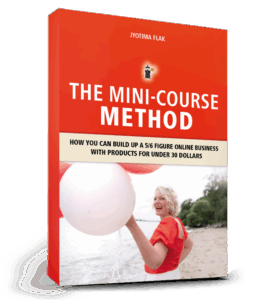
If you want to go beyond just writing one ebook and actually build a real automated online business with digital products, mini courses, evergreen funnels, and low-ticket offers that sell every single day, then check out my book:
If you want to build an online business in 2026, sell digital products, or finally create predictable income online, you need to understand one key shift that is happening right now.
The online world is louder than ever. More content, more creators, more offers. But at the same time, fewer people are making real money. Not because they are bad at what they do, but because they are using outdated business models.
In 2026, visibility alone is no longer enough. What matters is structure, clarity, and the right offer strategy. In this article, I will show you the only business model that still works in 2026, why it works so well even for beginners, and how you can implement it without a big audience.
Why Most Online Businesses Struggle in 2026
Many people start their online business with low-priced products. They create small ebooks, templates, or mini offers and hope that volume will do the rest. The idea sounds logical: if the price is low, more people will buy.
In reality, the opposite happens. Low prices require massive reach. And building massive reach takes time, energy, and constant content creation. This is where many people get stuck. They are visible, busy, and exhausted, but the income stays unstable.
The reason is simple. Income is always a combination of price and people. If your price is low, you need a lot of people. That is the hardest path in online business, especially in 2026.
The Business Model That Still Works in 2026
The most stable and scalable online businesses today are built on one clear foundation: a high-ticket core offer combined with a smart entry product.
A high-ticket offer is not about being expensive for the sake of it. It is about depth, transformation, and real results. These offers usually start around 2,000 dollars and can go much higher, depending on the problem you solve.
What makes this model so powerful is that you do not need thousands of customers. You need clarity. One specific problem, one clear audience, and one offer that truly helps.
This is why high-ticket offers are actually easier for beginners than most people think. You do not need to be famous. You do not need a huge community. You only need to know how to help someone move from one point to another.
Why High-Ticket Is Easier Than Selling Cheap Products
Selling low-priced products means you need constant attention. New posts, new reels, new emails, new launches. Selling high-ticket offers means you can focus on quality instead of quantity.
One committed client can create more income than hundreds of small sales. At the same time, these clients are usually more motivated, more respectful of your time, and more willing to implement.
In 2026, people are not looking for more information. They are looking for guidance, structure, and clarity. That is exactly what high-ticket offers provide.
The Role of Mini Courses in This Model
Once your high-ticket offer is clear, the next step is to create a small entry product. This is where mini courses come in.
A mini course is a short, focused digital product that solves one small problem. It does not replace your main offer. It prepares people for it. It creates trust, delivers a quick win, and shows your way of working.
Instead of giving everything away for free, a mini course filters the right people. Buyers behave differently than free subscribers. They are more engaged, more serious, and much more likely to take the next step.
This makes mini courses one of the most effective tools to sell digital products in 2026.
Why This Model Works So Well With Ads
One of the biggest advantages of this structure is that it works perfectly with paid traffic. Instead of sending ads to free content, you send them to your mini course.
This changes everything. You earn while you advertise. You attract people who are ready to invest. And you build a business that does not depend on daily social media activity.
In 2026, this is one of the most efficient ways to build an automated online business with predictable income.
From Mini Course to Scalable Online Business
Once this system is in place, growth becomes much easier. Your mini course sells automatically. Your high-ticket offer becomes the natural next step. Your income stabilizes, and your business feels lighter instead of chaotic.
This is how many successful online businesses are built today. Not with hustle, but with structure. Not with pressure, but with clarity.
What to Do If You Want to Start Now
If you want to build an online business in 2026 that is sustainable, scalable, and aligned with your life, start with the foundation. Get clear on your high-ticket offer. Then create a mini course as your entry point. Build a simple system around it.
This is exactly what I explain step by step in my book, The Mini Course Method. It is a practical roadmap for building digital products, automated funnels, and a business that works without burning you out.
Final Thoughts
2026 is not about doing more. It’s about doing the right things. You don’t need more ideas. You don’t need more content. What you need is a business model that supports you instead of exhausting you. And this is the model that still works.
If you want a clear, proven roadmap instead of guessing your way forward, grab my book “The Mini Course Method.”
Inside the book, I show you step by step how to:
build a mini course that actually sells,
connect it to a high-ticket offer,
and create an online business that works in 2026 without constant content or overwhelm.
This is the exact system I used to build a scalable, automated business — even without a big audience.
If you’ve ever dreamed of waking up to a PayPal notification, knowing a digital product sold while you were asleep, you’re not alone. Passive income has become one of the most searched topics in online business — and for good reason.
But here’s the truth most people don’t tell you: Passive income doesn’t start with complicated funnels, huge online courses, or months of preparation. It starts small. Strategic. And often much simpler than expected.
One of the fastest and most reliable ways to begin is with Canva templates.
Not because they’re trendy. Not because they’re “easy money.” But because they solve real problems, save people time, and can grow into a complete digital product ecosystem — from templates to mini courses to scalable online programs.
This is exactly how I built my own business. And it’s how you can start too.
Why Canva templates are the perfect first digital product
When you’re new to digital products, the biggest mistake is starting too big. Many people try to build a full online course before they’ve ever sold anything. They get stuck in perfection, overwhelmed by tech, and never launch.
Templates work differently.
A Canva template is a done-for-you solution. Someone buys it because they want speed, clarity, and a professional result without starting from scratch. That makes templates incredibly powerful — especially for beginners.
Once created, a template can be sold over and over again without updates. It doesn’t require your time after delivery, and it works perfectly with automated systems. Most importantly, templates create trust. When someone buys a template from you and gets a quick win, they are far more likely to buy from you again.
And this is where the real magic happens: Every template can become the starting point of a mini course. Every mini course can become the foundation of a full online course or coaching offer.
Templates are not the end product — they are the entry point.
What kinds of Canva templates sell consistently?
Templates sell best when they are connected to a clear use case and a specific audience. Over the years, I’ve seen certain categories perform extremely well — regardless of trends.
Coaches and educators buy templates that help them create content faster, run webinars, or structure their courses. Bloggers and content creators look for layouts, lead magnets, and checklists. Online course creators need slides, worksheets, and onboarding materials. Freelancers and virtual assistants invest in client welcome packs and pitch decks. Business owners purchase brand kits, planners, and media kits. Productivity-focused buyers love dashboards and planning systems.
What all of these buyers have in common is simple: They value time-saving solutions.
If your template saves someone hours of work, it will sell.
Step by step: how to build passive income with Canva templates
The process doesn’t need to be complicated. In fact, simplicity is what makes it scalable.
The first step is choosing a clear niche and purpose. Before opening Canva, ask yourself who you want to help and what slows them down the most. Coaches struggle with content planning. Course creators need structured slides. Freelancers want to look professional without hiring designers. Your template should solve one specific problem clearly and quickly.
Next, you create the template inside Canva. You don’t need to be a designer and you don’t need fancy effects. Clean layouts, readable fonts, and a clear structure are far more important than decoration. Adding short instructions inside the template dramatically increases customer satisfaction and reduces refunds. A strong cover page alone can significantly increase conversions.
Once your design is finished, you package it for sale. Canva allows you to generate a template link, which you can place inside a simple PDF guide. This guide explains how to access and edit the template. Upload the PDF to your selling platform — and your product is ready.
To sell on autopilot, you don’t need a complex website. Platforms like Payhip, Systeme.io,ThriveCart, or even Etsy can handle payments and delivery automatically. This is where passive income truly begins: when your product sells without manual work.
Promotion doesn’t require daily social media posting. Simple content works best — showing before-and-after examples, short “behind the scenes” creation videos, time-saving tips, or template previews. Pinterest works exceptionally well for templates, as does YouTube for long-term evergreen traffic.
How templates grow into mini courses and scalable income
Most people stop after selling a template. That’s where they miss the biggest opportunity.
A template naturally leads to education. Once someone uses your template, questions arise. That’s where mini courses come in. A mini course explains how to use the template strategically, how to get better results, and how to apply it consistently.
This is how a €15–€39 template turns into a €47 mini course — and later into a high-value program or coaching offer. Instead of chasing new leads every day, you build a customer journey that grows organically.
Templates don’t just create passive income. They create loyal customers.
My story: from one Canva template to over 218,000 € in digital product sales
When I created my first Canva template, I didn’t have a online marketing background, a large audience, or a perfect plan. I simply saw a problem I could solve and decided to start.
That first template sold seven times in the first two days. It wasn’t life-changing money — but it changed everything mentally. It proved that digital products could sell without constant effort.
That one template became my first mini course. That mini course became my first funnel. That funnel became my first automated income stream.
Today, I’ve sold over 218,000 € in digital products, many of which were created in a single weekend. Several of those products still sell regularly — years later.
Templates were not a side hustle for me. They were the foundation of my entire online business.
How to start today — even if you’re a complete beginner
If you want to build passive income online, don’t wait until you feel ready. Confidence doesn’t come first — action does.
Start with one simple template. Solve one clear problem. Launch before it’s perfect.
And if you’re ready to turn templates and small products into a complete automated mini course business, my book “The Mini Course Method” shows you the exact system step by step.
Passive income is built, not hoped for. And it often starts with something as simple as one Canva template.
Have you ever thought, “I’d love to sell digital products, but I’m not tech-savvy”? If so, you’re not alone — and this guide is for you. The truth is, you don’t need fancy tools, a big team, or even a website to start creating and selling digital products. In fact, I built a six-figure business using only free tools, my laptop, and 25 hours a week — all while homeschooling my daughter.
Understanding Digital Products
A digital product is something you create once and sell repeatedly — no shipping, no inventory, no client calls. Examples include:
eBooks
Digital planners
Templates
Mini-courses
Notion boards or checklists
Digital products deliver value instantly and automatically, making them perfect for anyone looking to start an online business quickly and efficiently.
What You Need to Get Started
Here’s the good news: you don’t need complicated tools or a huge following to start selling digital products.
An email tool to collect leads and send automated messages, such as ConvertKit or Systeme.io
Step-by-Step: How to Launch Your First Product
Here’s a simple 4-step process to create and sell digital products even with zero tech skills:
Identify a simple problem: Focus on a clear pain point for your audience. Example: A meal planner for busy moms, a content calendar for coaches, a checklist for freelancers.
Create a solution quickly: Use Canva templates and drag-and-drop tools. Your first product doesn’t have to be perfect — it just needs to help someone.
Upload to a selling platform: Tools like Payhip or Gumroad handle payments and automatic delivery. You can start selling today.
Share your product link: Promote it on Instagram, TikTok, Pinterest, or via email. Bonus tip: Offer a small discount for fast action to boost your first sales.
From Tech-Nope to Tech-Savvy: My Story
When I started, I was living in the jungle in Brazil with unstable internet and no budget for tools. I created my first digital workbook in Canva, uploaded it, and shared it in a single Instagram post. Within 24 hours, I had my first sale — and then more. I didn’t have a team, just a toddler, a dream, and a few hours per day.
Today, I’ve helped over 500 people create digital products, and many of them say the same thing: “I thought I needed to be tech-savvy. But this is doable!”
Key Takeaways for Beginners
Start simple and small
Create a first product that solves a real problem
Sell it online without complicated tech or websites
Begin generating income immediately and build a scalable system over time
Take the Next Step: Mini-Course Method
If you want to take this further, grab my book The Mini-Course Method. It teaches you how to turn your first digital product into a full mini-course funnel, helping you:
Create mini-products quickly
Build an automated sales funnel
Generate passive income with high-impact offers
Grow your authority and attract superfans
Remember: start simple, start small, just start. Your first digital product could change your life!
If I had to start from scratch with digital products in 2025, here’s exactly what I’d do. Even if you have no audience, no tech skills, and limited time, it’s completely possible to create a profitable online business.
As a coach, therapist, or creator, digital products allow you to share your knowledge, help more people, and generate income without being tied to 1:1 sessions. I’ve personally built a six-figure business selling mini-courses and other digital products — all automated — while working part-time and raising my daughter.
Below, I break down the exact steps I’d take today to build a digital product business from zero.
Step 1: Pick a Problem You Can Solve
The first step is to find a problem your audience is struggling with. This can be a common pain point for your clients or followers.
Example:
“Find Calm in 5 Minutes a Day” – perfect for busy parents or stressed professionals.
“Create Your First Coaching Funnel in 7 Days” – for aspiring coaches.
The key is specificity. The clearer the problem, the easier it is to sell a solution.
Step 2: Create a Small, Focused Digital Product
Start with a mini-course, workbook, audio guide, or template. Don’t overcomplicate it — a short, focused product works best.
Tips:
Break your content into 3–5 lessons.
Keep it actionable and results-focused.
Record videos on your phone or Loom.
Example Products:
Mini-Courses: “Daily Rituals for Calm & Clarity”
Workbooks: “Mindset Reset Journal”
Audio Guides: “Morning Grounding Meditation”
Step 3: Use Simple Tools
You don’t need fancy software or a huge tech setup. Some of my favorite tools include:
Canva for workbooks, templates, and visuals
Notion or Google Docs for writing
Payhip or Gumroad for automated sales and delivery
Audacity or GarageBand for audio recordings
Keep it simple, start small, and release your product. You can always improve it later.
Step 4: Build Your Launch System
Your product needs a way to reach people — even if it’s just a basic launch.
Social media posts with tips, behind-the-scenes, or small snippets
The goal is consistent visibility. You don’t need to be viral — focus on getting your first few paying clients.
Step 5: Automate and Scale
Once you’ve made your first sales, automate as much as possible:
Evergreen funnels that sell 24/7
Email sequences to nurture leads automatically
Upsells and bundles for additional revenue
Automation is what transforms your knowledge into a freedom business — you earn while focusing on other priorities.
My Personal Experience
I started posting content consistently for 6 weeks before going viral. My first small product, a TikTok mini-course, made over €40,000. I didn’t need fancy cameras or a huge following – just discipline, a clear product, and the right strategy.
Today, I’ve built multiple automated income streams with digital products and continue to help other coaches, therapists, and creators do the same.
Your Next Step
If you’re ready to take action, start small. Pick one idea, create your first mini-product, and launch.
Want guidance to go from idea to a ready-to-sell product in a weekend? Check out my Online Course Turbo, designed for busy coaches, therapists, and creators who want results without tech overwhelm:
Don’t wait — start building your automated online business today and finally turn your knowledge into income. Remember: small steps lead to big results!
Yours Jyotima
Categories
Archives
Manage Consent
To provide the best experiences, we use technologies like cookies to store and/or access device information. Consenting to these technologies will allow us to process data such as browsing behaviour or unique IDs on this site. Not consenting or withdrawing consent, may adversely affect certain features and functions.
Functional
Always active
The technical storage or access is strictly necessary for the legitimate purpose of enabling the use of a specific service explicitly requested by the subscriber or user, or for the sole purpose of carrying out the transmission of a communication over an electronic communications network.
Preferences
The technical storage or access is necessary for the legitimate purpose of storing preferences that are not requested by the subscriber or user.
Statistics
The technical storage or access that is used exclusively for statistical purposes.The technical storage or access that is used exclusively for anonymous statistical purposes. Without a subpoena, voluntary compliance on the part of your Internet Service Provider, or additional records from a third party, information stored or retrieved for this purpose alone cannot usually be used to identify you.
Marketing
The technical storage or access is required to create user profiles to send advertising, or to track the user on a website or across several websites for similar marketing purposes.